

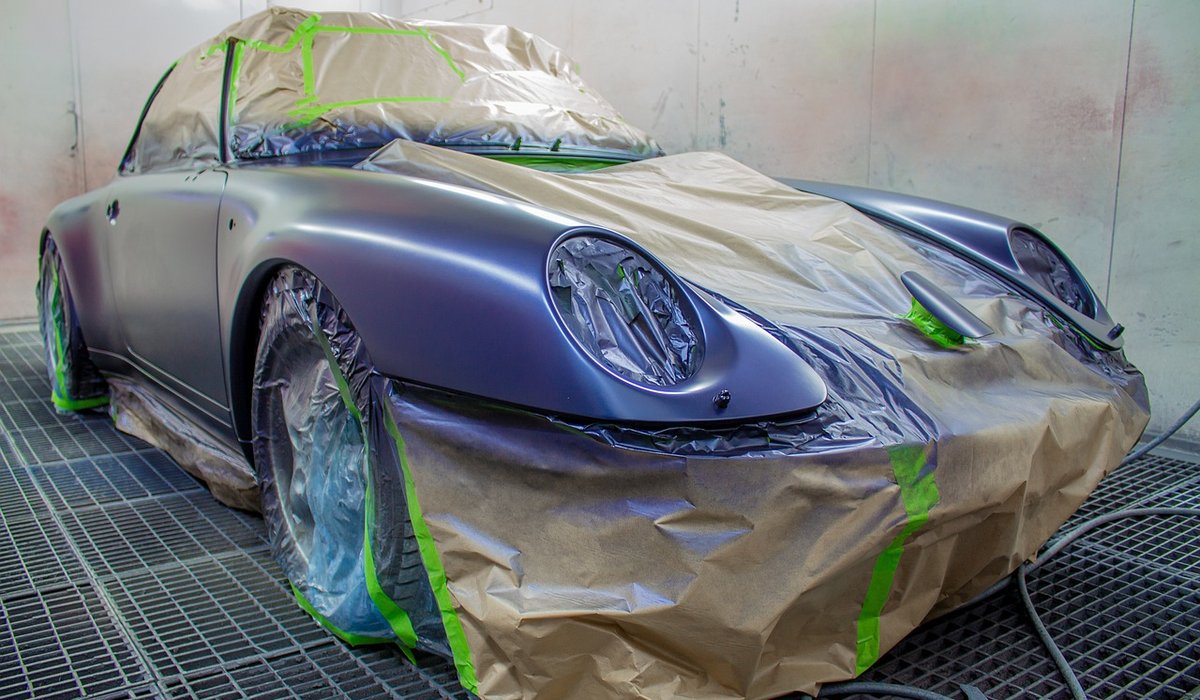
Upcycling a wooden chair with chalk paint
Why chalk paint is the forgiving choice for a tired chair
Chalk paint has become the go-to for furniture upcycling in the UK for one very good reason: it grips. Varnished oak, an old shellac finish, a previous owner's gloss, even the slightly waxy surface of a 1970s kitchen chair — chalk paint will bond to all of it. You do not need to strip the chair back to bare wood, and you almost never need a separate primer.
That said, "no prep" is a marketing line rather than a rule. A chair that has spent five years in a garage or a spare bedroom will be carrying a film of grime, and any flaking finish will eventually take your lovely new paint down with it. Fifteen minutes of light sanding and a proper clean is the difference between a finish that lasts a decade and one that chips within a fortnight.
What you will need
- Fine sandpaper or sanding sponges — 180 to 240 grit for keying the surface, 400 grit for between coats
- Sugar soap solution, or warm water with a small drop of washing-up liquid, plus two clean cloths
- Methylated spirits for the greasy patches around armrests and the tops of legs
- A good quality synthetic brush, roughly 25–40mm, and a small foam roller if you like a flatter finish on the seat
- Chalk paint in your chosen colour — a 250ml tin is usually plenty for one chair, especially if you are only painting the frame
- Clear wax plus a wax brush or lint-free cloth, or a water-based polyurethane if you would rather have a harder-wearing finish
- Masking tape, a jam jar for screws, fine wire wool, and a dust sheet
Prep properly: repairs, a light sanding and a good clean
Start by taking the chair apart as far as it sensibly goes. Remove the seat pad, unscrew any hinges or metal plates, and pop the screws into a jar so nothing goes missing. Masking tape around anything you cannot remove, such as decorative studding or a metal ferrule, will save you a fiddly clean-up later.
Now give the joints a wiggle. A chair that creaks will only get worse once it is being used again, so squeeze wood glue into any loose joint, wipe away the excess and clamp it overnight. Fill deep dents and old screw holes with a two-part wood filler, then sand flush. If you spot fine grit-like holes in the timber, treat for woodworm before you paint over the evidence.
Sanding at this stage is about creating a key, not removing the old finish. Go over the whole chair with 180 or 240 grit, working with the grain and paying extra attention to shiny, sealed areas and any edges where the existing varnish has worn thin. Feather any chipped paint edges so they do not telegraph through your new coats. Wipe the dust away with a damp cloth.
Then clean. Sugar soap mixed to the strength on the packet is ideal, and you will be surprised how much brown grime comes off what looked like a clean chair. Rinse with a cloth wrung out in clean water and let the chair dry completely — an hour or two somewhere warm, not a cold damp shed. If the armrests feel tacky or greasy, wipe them with methylated spirits and allow that to evaporate off too.
Paint in thin coats — and be patient
Stir the paint thoroughly rather than shaking the tin, which introduces bubbles. If your chalk paint has thickened in storage, add water a teaspoon at a time until it flows like single cream. Thin is the whole trick: thick coats show every brush mark, drip at the legs and stay soft underneath, which is exactly what causes chipping months later.
Load the brush lightly and wipe off the excess on the rim of the tin. Paint in one direction, following the grain, and resist the urge to go back over areas that are already starting to dry. Work one section at a time — a leg, then the stretcher, then the seat frame — so you always have a wet edge to blend into. Do not forget the underside of the seat and the insides of the legs; people notice when they pick a chair up.
Leave the first coat to dry. Chalk paint usually touches dry in 30 to 60 minutes and is recoatable in a couple of hours, but in a cold room it will take longer, so judge by touch rather than the clock. Between coats, rub over the surface very lightly with 400 grit or a fine sanding pad to knock off any nibs, then dust off. Two coats will cover most colours; three is normal if you are going from dark wood to a pale shade.
Wax, buff and let it cure
Chalk paint on its own is porous and will mark if you put a mug of tea down on it or drag the chair across a tiled floor. Clear wax is the traditional protection. Apply a thin, even coat with a wax brush or a folded lint-free cloth, working it into the paint rather than laying it on top, then leave it for 15 to 20 minutes and buff with a clean cloth until the surface feels dry and slightly satin.
Give high-wear spots — armrests, the top of the back, the bottoms of the legs — a second coat of wax. If you want an aged look, work a little dark wax into the crevices and wipe most of it back off, but practise on the underside first. Then leave the chair alone for at least a week before heavy use. The finish continues to harden during that time.
Finishing touches and troubleshooting
- Brush marks: the paint was too thick or you overworked it. Sand back lightly, thin the paint and try again.
- Paint peeling at the edges: the original finish was flaking and should have been removed or feathered more thoroughly.
- Sticky surface weeks later: too much wax, or wax applied over paint that was not fully dry. Wipe with a barely damp cloth and buff again.
- Add felt pads to the feet to protect your floors, and reattach the seat pad with the original screws.
- Cleaning: a soft damp cloth only. Avoid anything abrasive or alcohol-based on a waxed finish.
Work in a well-ventilated space, ideally above 10°C and out of direct sun, and you will end up with a chair that looks properly considered rather than merely repainted. The beauty of chalk paint is that it invites you to have another go — if the colour is not right, a light sand and one more coat will sort it.


Preparation
-
Identify the source of moisture, allow the wall to dry and use a suitable primer or damp-proof treatment before painting.


Colour


-

Long established fact that a reader will be distracted
-

Long established fact that a reader will be distracted
-

Long established fact that a reader will be distracted



Techniques
Karla Gleichauf
12 May 2017 at 05:28 pm
On the other hand, we denounce with righteous indignation and dislike men who are so beguiled and demoralized by the charms of pleasure of the moment
M Shyamalan
12 May 2017 at 05:28 pm
On the other hand, we denounce with righteous indignation and dislike men who are so beguiled and demoralized by the charms of pleasure of the moment
Liz Montano
12 May 2017 at 05:28 pm
On the other hand, we denounce with righteous indignation and dislike men who are so beguiled and demoralized by the charms of pleasure of the moment